

- Instructor: Dr. SAM Chamreun
- Students: 28
- Duration: 8 weeks
Understanding Marketing Management
Marketing management refers to the process of planning, organizing, implementing, and controlling marketing activities to achieve specific organizational objectives. At its core, marketing management focuses on identifying and meeting customer needs while simultaneously achieving a company’s goals. This intersection is crucial in a competitive marketplace, where understanding consumer preferences and market dynamics can dictate the success or failure of a business.
The significance of marketing management extends far beyond simple product promotion. It encompasses various essential functions designed to analyze market opportunities effectively. This begins with comprehensive market research, which helps in identifying target segments and understanding consumer behavior. Such insights are necessary to develop competitive marketing strategies that resonate with the intended audience, ultimately driving sales and fostering customer loyalty.
Creating marketing strategies involves determining the positioning of a product or service, selecting appropriate marketing channels, and designing the promotional mix. A robust marketing plan is then implemented to ensure these strategies are executed effectively. Marketing management takes a hands-on approach in guiding these processes, ensuring that all activities align with the overarching business objectives. This alignment contributes to the efficient allocation of resources and maximizes the impact of marketing efforts.
Additionally, the importance of understanding consumer behavior cannot be overstated. It enables marketers to tailor their strategies to meet the needs and desires of their target audience, ensuring that messages resonate and foster engagement. Overall, effective marketing management is a vital element in achieving business success, as it helps in navigating the complexities of the market while positioning the organization for both short-term and long-term growth.
The Marketing Management Process
The marketing management process comprises several critical steps that organizations undertake to develop effective marketing strategies. The first step, market research, involves gathering and analyzing data about consumers, competitors, and market trends. Through qualitative and quantitative research, businesses can gain insights into customer needs, preferences, and behaviors. This information serves as a foundation for crafting tailored marketing strategies that resonate with target audiences.
Following market research, segmentation helps businesses identify specific groups within the larger market that exhibit similar characteristics. By segmenting the market based on demographics, psychographics, or behavioral factors, organizations can discern niche markets and tailor their marketing approaches to meet the unique demands of those segments. This targeted approach not only improves the effectiveness of marketing campaigns but also enhances overall customer satisfaction.
The next step is targeting, which involves selecting the most attractive segments to serve. Once a business identifies its target audience, it must prioritize and focus its resources on reaching these groups. This deliberate focus allows companies to allocate marketing budgets efficiently and maximize their return on investment.
Positioning is crucial as it defines how a business wants its brand to be perceived relative to competitors. Through effective positioning, organizations can create a distinct image in the minds of consumers, highlighting unique selling propositions that differentiate their offerings in the marketplace. The perception achieved through positioning directly influences customer purchasing decisions and loyalty.
Finally, the marketing mix, commonly referred to as the ‘4 Ps’—product, price, place, and promotion—brings together all the elements of the marketing strategy. Each component of the marketing mix must be aligned and coordinated to achieve the overarching marketing objectives. For instance, a premium product may require a specific pricing strategy and distribution channel to reinforce its value. By applying these interrelated steps effectively, businesses can create cohesive marketing strategies that meet their objectives and adapt to evolving market conditions.
Role of a Marketing Manager
The role of a marketing manager is pivotal in driving the success of a business within today’s dynamic market environment. Marketing managers are responsible for developing, implementing, and overseeing marketing strategies that align with organizational goals. This requires a comprehensive understanding of both the market and the target audience, enabling them to craft effective messaging and positioning for products or services. Key responsibilities include conducting market research, analyzing consumer behavior, designing marketing campaigns, and monitoring their effectiveness.
Effective marketing management hinges on a combination of essential skills. Analytical thinking plays a crucial role, as marketing managers must interpret data and derive insights that inform decision-making. This is complemented by creativity, which helps in developing innovative campaigns that capture consumer interest. Additionally, strong communication skills are vital, as these managers regularly liaise with various stakeholders, including clients, team members, and external partners. Leadership abilities also come into play, as they need to inspire and guide their teams to achieve marketing objectives.
Despite the exciting nature of the role, marketing managers face several challenges. The rapid pace of technological change continually reshapes consumer expectations, necessitating a willingness to adapt strategies swiftly. Moreover, competition is fierce, requiring marketing managers to stay informed about industry trends and competitor activities. Budget constraints can also pose challenges, forcing them to prioritize initiatives that deliver the highest return on investment. To navigate these complexities, marketing managers must cultivate a responsive and agile mindset, enabling them to anticipate shifts in the market landscape and respond with effective strategies.
Future Trends in Marketing Management
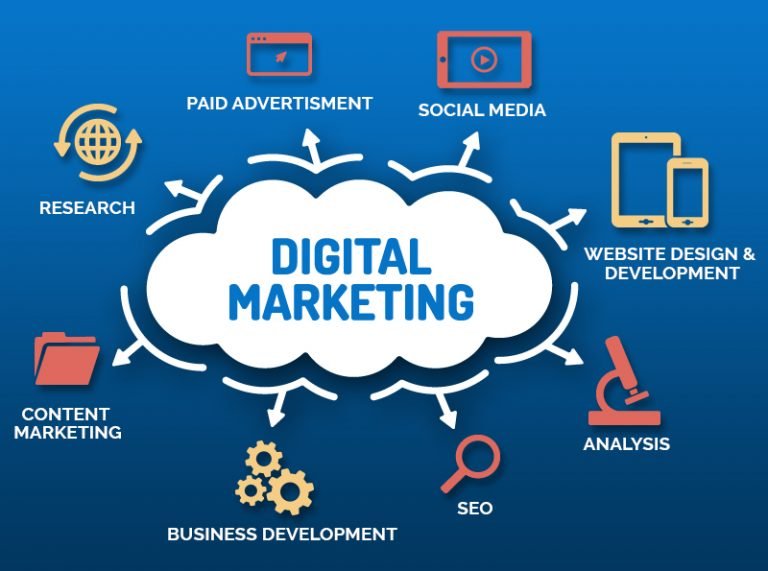
As the business landscape continues to evolve, marketing management is undergoing a significant transformation driven by emerging trends. One of the most prominent developments is the rise of digital marketing, which has moved to the forefront as businesses increasingly rely on online channels to reach their target audiences. The proliferation of smartphones and the internet has made digital marketing indispensable, allowing marketers to engage with consumers in real time and foster stronger relationships through tailored content.
Another critical trend is the profound influence of social media. Platforms such as Facebook, Instagram, and LinkedIn have become essential for brand visibility and customer engagement. Businesses are leveraging these platforms not only for advertising purposes but also for building communities and obtaining customer feedback. Effective social media strategies can significantly enhance brand loyalty and create advocates who promote products organically.
Data analytics is also reshaping marketing management. The ability to collect and analyze vast amounts of consumer data allows marketing managers to make more informed decisions and identify emerging trends. Predictive analytics enables businesses to anticipate customer needs, personalize marketing campaigns, and allocate resources more efficiently. As data-driven decision-making becomes the norm, marketing professionals must develop analytical skills to stay competitive.
Moreover, a shift towards customer-centric marketing approaches is evident. Companies now focus on understanding customers’ desires and preferences, creating more meaningful interactions. Personalization, tailored experiences, and customer engagement are becoming paramount for successful marketing strategies. To remain relevant, marketing managers need to embrace technology, ensuring they adopt innovative tools and practices.
Looking to the future, marketing management will likely continue adapting to technological advancements and evolving consumer expectations. By integrating artificial intelligence, augmented reality, and enhanced analytics into marketing strategies, businesses can navigate this dynamic environment. Ultimately, staying ahead of these trends will be crucial for marketing managers seeking to drive growth and maintain competitive advantage in a rapidly changing marketplace.

Leave feedback about this